
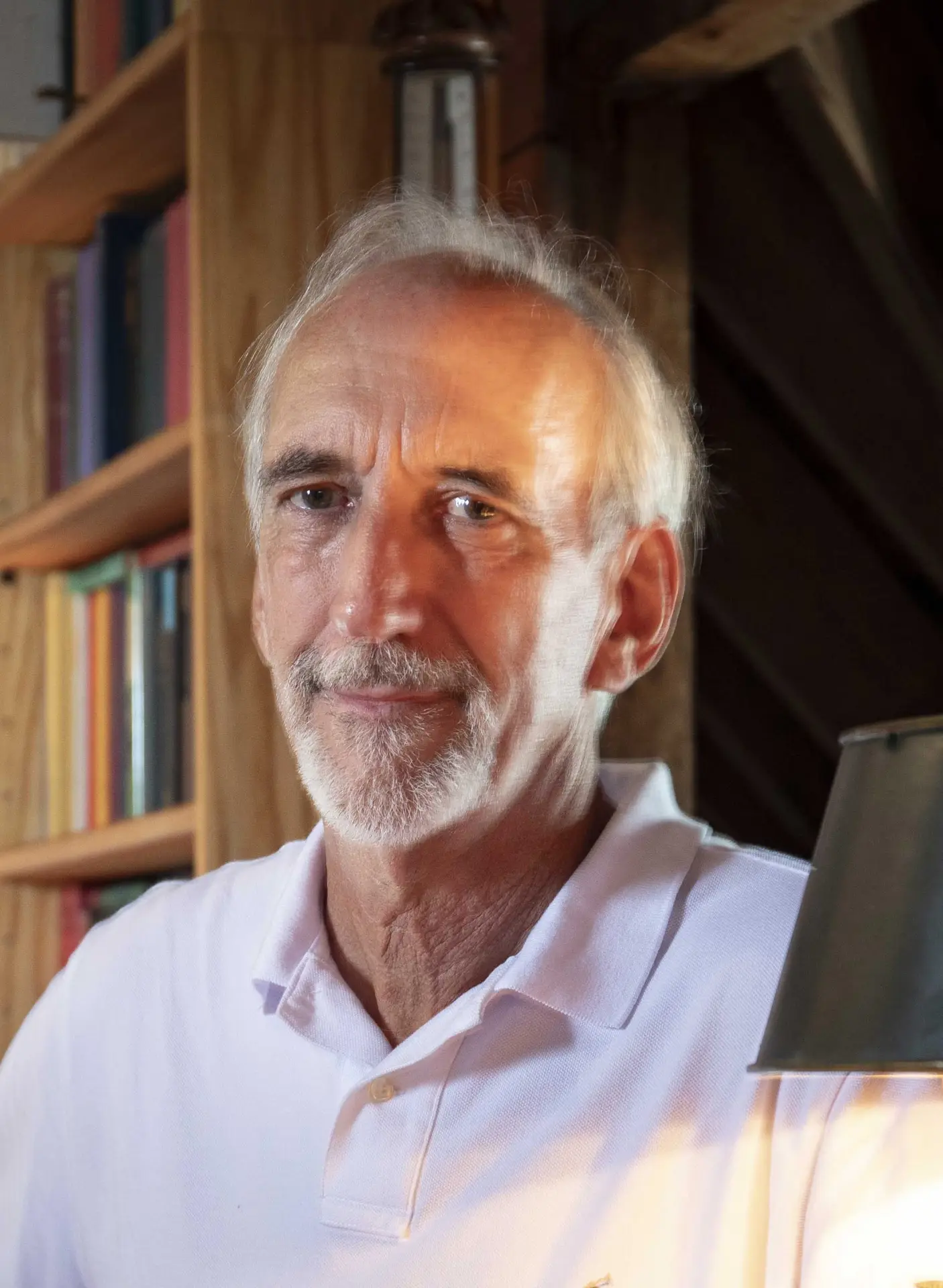
Preservationist restores Fort Worth bungalow for Lake Como-area history museum
The beginnings of the Chamberlin Arlington Heights History Museum were a little shaky, admits Brent Hyder, who heads up the history center and the foundation that supports it.
Not that the history or the museum itself was shaky, but the structure — a 1908-built Colonial Revival-style bungalow — was being relocated from Byers Avenue to 5129 Donnelly Ave. The home-moving process was not something for the faint of heart, Hyder said.
“We almost lost it one time,” he said, shuddering at the memory. “It was close.”
Now, the bungalow is seated on a site just east of Lake Como ready to serve as a neighborhood history museum to tell the complex story of Chamberlin Arlington Heights, the Lake Como area and serve and honor the diverse community in the area, Hyder said.
The building itself has been meticulously restored and outfitted and currently awaits a certificate of occupancy for the museum-in-progress.

Although the museum is new, the idea is not. In 2015, Hyder, a longtime Fort Worth historian who grew up on nearby Crestline Road, established the Brent Rowan Hyder Foundation with a goal to shed light on the area’s rich history.
The Chamberlin Arlington Heights History Museum looks over Lake Como on Dec. 2, 2025. (Maria Crane | Fort Worth Report/CatchLight Local/Report for America)
Long a proponent of restoration and the city’s history, Hyder is a partner in several commercial real estate companies in Fort Worth. He is also owner of the Flying Carpet Turkish Café near Magnolia Avenue, a by-product of the seven years he spent in Turkey studying and translating there after receiving his master’s degree in theology from Oxford University.
Hyder has gathered plenty of information and material for the museum showing the history of the area that was originally established on the prairie west of Fort Worth in 1889.
The house has since been restored with Hyder’s trademark attention to detail and filled with artifacts from the area. When he bought the house, it had oak flooring, but rain damaged the floors after the roof was removed during the move. What loomed like a disaster turned into a fortunate discovery: Beneath the warped oak was the home’s original longleaf pine flooring.
“It was way older than that oak that they covered it with, so that was great,” he said.
The house also features the first chandelier ever hung in Arlington Heights in 1889, a relic from the parlor in the McCart House, once the home of Robert McCart, a city attorney who also donated much of the land he owned to build Camp Bowie. Hyder had salvaged it in the 1970s when the house was torn down.
“It’s all electric, because Arlington Heights was all electric because of the Lake Como dam,” he said. “No gas lighting here.”
The Chamberlin Arlington Heights area was the brainchild of British-born developer Humphrey Barker Chamberlin, who envisioned an opulent, 2,000-acre suburb a trolley ride away from the city. The H.B. Chamberlin Investment Co. built the Lake Como dam in 1889 along with a powerplant to furnish electricity for the street car line and the area.

A recreation resort featuring a pavilion, casino and amusement once operated in the area, which took its name from Lake Como, Italy. Developers hoped to create a posh residential community similar to Denver’s Capitol Hill, where they had also done development projects.
Those plans crashed along with the economy during the financial panic of 1893. Chamberlin was forced to sell the resort.
The area limped along until 1917, when the U.S. government chose Fort Worth for a major U.S. Army training camp and paved the way for water, sewage and more electricity. After World War I, the area grew rapidly filling with bungalow-style homes.
Because land was relatively cheap, the area became the home for many domestic workers employed in affluent Arlington Heights and River Crest homes. They took advantage of the opportunity to own property near their jobs and began living in and developing the area. In that era of segregation, the neighborhood had its own business district and social life.
Brent Hyder shows various historical documents and photos of Lake Como and history of Arlington Heights in Fort Worth on Dec. 2, 2025. (Maria Crane | Fort Worth Report/CatchLight Local/Report for America)
Hyder knows the area and its homes well. He has adaptively restored seven vintage bungalows — four in Arlington Heights, three in Fairmount — over his career.
The organization was quick to partner with the community, joining the Lake Como Neighborhood Advisory Council. He also reached out to local historian Juliet George to work with the community to help raise awareness of the area’s history.
“Brent has long been dedicated to preserving the history of Fort Worth,” George said. “From preserving a very early Fort Worth artifact: the 1857 Frenchman’s Well to this work here, he has been preserving history along with environmental integrity and care and maintenance.”
Hyder will be honored by Historic Fort Worth on May 15 for his work championing preservation. The event will include a dinner and a tour of gardens in the River Crest neighborhood.
While the foundation has been filling the home with artifacts and memorabilia, it also has been working with the community to clean up and restore much of the area.
Much of the foundation’s work has been literally on the museum’s doorstep at Lake Como. The foundation is part of Fort Worth’s Adopt-a-Park program to help with maintenance and care of Lake Como and its parklands. Amid the lake cleanup, the foundation uncovered stone and wood supports for the 1906 pavilion and the old power house’s long-buried pink limestone retaining wall.
Along the way, Hyder’s organization discovered something Fort Worth had forgotten: Garda Park, 3401 Lake Como Drive, near the Lake Como dam on Merrick Street. The foundation was successful in nominating Garda Park as part of Historic Fort Worth’s 2022 list of most endangered places.
The foundation also engaged the services of architect/land planner/historic preservationist Larry Good of Dallas, who created four improvement designs for a master plan for Lake Como and the area.
More than anything, the organization is amassing a lot of history and finding a trove of memories of the people who lived in the area, Hyder said.
“There are photographs, newspaper articles, personal letters written by people living here, and it just comes alive when you read it,” he said.
Bob Francis is business editor at the Fort Worth Report. Contact him at bob.francis@fortworthreport.org.
News decisions are made independently of our board members and financial supporters. Read more about our editorial independence policy here.
This article first appeared on Fort Worth Report and is republished here under a Creative Commons Attribution-NoDerivatives 4.0 International License.